
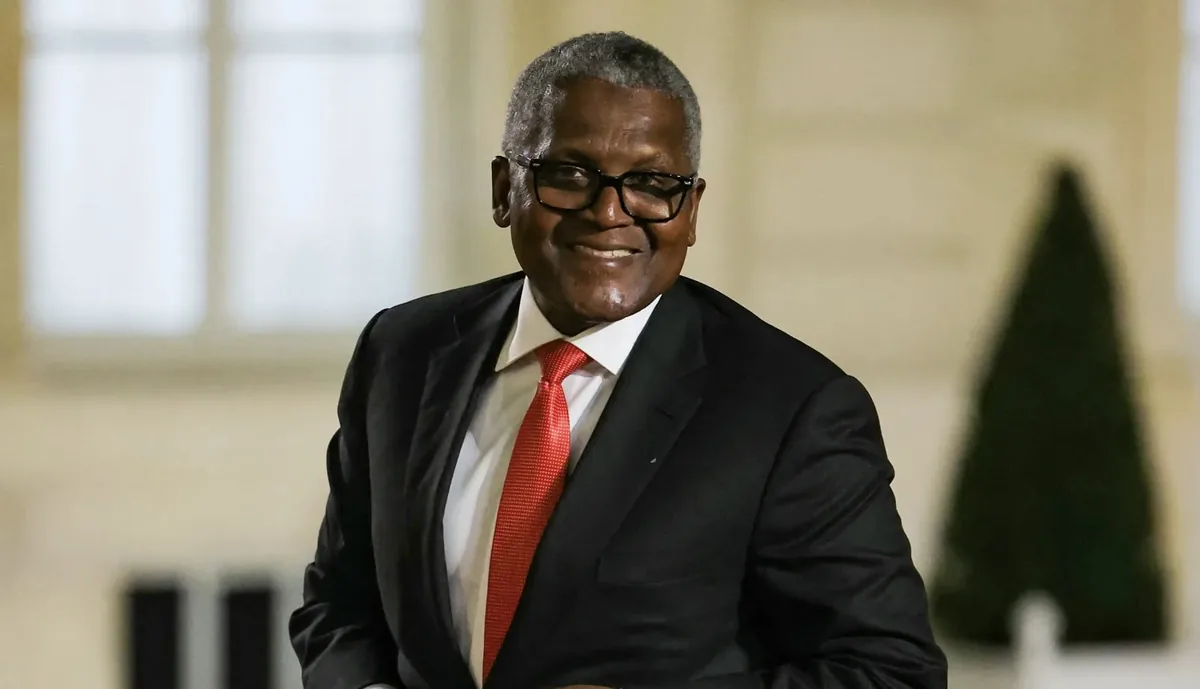
A Kenyan presidential aspirant, Patrick Osoi, has threatened to halt Nigerian billionaire Aliko Dangote’s proposed US$16 billion oil refinery project in Kenya if he wins the country’s 2027 presidential election, arguing that local investors should take responsibility for the development.
Osoi, a former Kenyan Defence Forces soldier, made the remarks while addressing supporters at a Lions Movement event, where he questioned the need for a foreign investor to lead such a major industrial project when Kenyan businesspeople could undertake it themselves.
“I want to tell Aliko Dangote, please don’t rush to start the refinery because, when I’m sworn in as President of Kenya next year, you will be heading back to Nigeria,” he said.
He maintained that Kenya had businesspeople with the resources and capacity to establish and operate a refinery, insisting that his political movement would prioritise local participation in major economic projects.
He maintained that Kenya had businesspeople with the resources and capacity to establish and operate a refinery, insisting that his political movement would prioritise local participation in major economic projects.
The proposed refinery is planned for Lamu County, on Kenya’s coast, with a projected processing capacity of 700,000 barrels of crude oil per day. The facility is expected to supply petroleum products to Kenya and other East African countries, potentially reducing the region’s dependence on imported refined fuels.
Legal challenges have also emerged, with residents contesting aspects of the land arrangements, while campaigners have called for greater disclosure of environmental assessments and other project documents.
Osoi’s remarks add a political dimension to the debate over the refinery, particularly concerning local business ownership, foreign investment and Kenya’s control over strategic industries.
However, the presidential aspirant has not outlined a detailed financing plan or explained how Kenyan investors would replace Dangote’s proposed investment if he were elected.
While supporters of the refinery believe it could strengthen East Africa’s energy security, create employment and stimulate industrial development, critics have called for greater transparency and safeguards for affected communities.