Ghana’s Cabinet has approved a formal bid to join BRICS, Foreign Affairs Minister Samuel Okudzeto Ablakwa announced on Tuesday, opening the country’s path toward membership in the expanded bloc of emerging economies.
Ablakwa disclosed the decision at a joint press briefing in Accra with India’s External Affairs Minister, Dr Subrahmanyam Jaishankar, who is on an official visit to be Ghana. He said the approval was being made public for the first time and that the government would now take “baby steps” to apply and seek admission.
“You know you have to be accepted. You must be admitted,” he said.
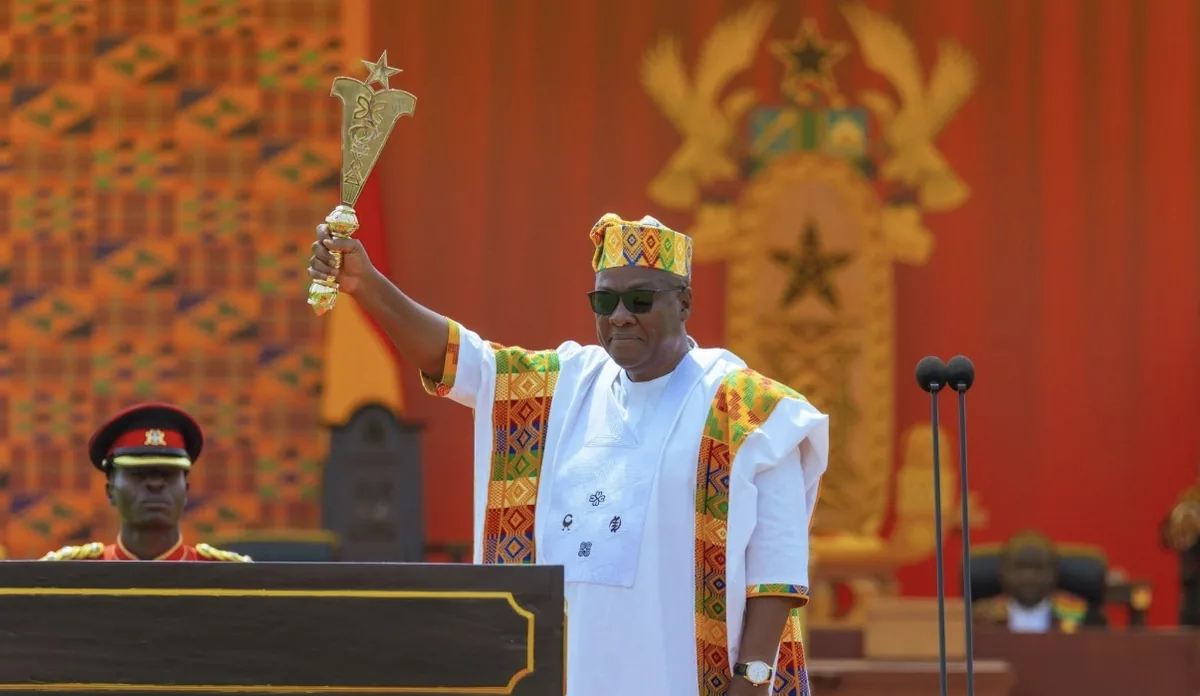
The move is tied to President John Dramani Mahama’s economic agenda, which the government calls the New Economy. Ablakwa said Cabinet has approved seven pillars under that framework as Ghana shifts from stabilisation toward a more transformative growth path. Joining BRICS, he argued, would diversify the country’s partnerships, widen its economic options, and deepen South-South cooperation.
He also linked the decision to the administration’s foreign-policy priorities, including resource sovereignty and a desire to chart Ghana’s path without being constrained by conditionalities from a small set of international institutions.
“The President Mahama-led administration believes that BRICS offers an incredible opportunity that aligns with his vision for economic growth,” Ablakwa said. “To anchor the President’s new economic vision, we believe that we must diversify our international cooperation.”
Ablakwa expressed confidence that existing members would back Ghana. He cited strong relations with the founding members—Brazil, Russia, India, China and South Africa—and with newer participants including the United Arab Emirates, Saudi Arabia and Iran, all of which maintain diplomatic missions in Accra. He noted a recent BRICS summit in New Delhi, which he described as successful, and said the government had already sought India’s help with the application process.
The announcement came as Accra and New Delhi moved to widen bilateral ties. The two sides signed memoranda of understanding on agriculture and on science and technology, and officials discussed expanded cooperation in railways, pharmaceuticals, ICT, defence and related sectors. Ablakwa said Ghana–India trade had risen from about $3 billion in 2024 to roughly $7 billion.
BRICS began as a grouping of Brazil, Russia, India, China and South Africa. It expanded in 2024 to include Egypt, Ethiopia, Iran, the United Arab Emirates and Indonesia, with Saudi Arabia’s status treated as a member by the bloc even as Riyadh has been less definitive. A separate partner-country category, created at the 2024 Kazan summit, has since drawn in states including Belarus, Cuba, Malaysia, Vietnam and Nigeria.
Admission is by consensus. An expression of interest or Cabinet decision does not itself confer membership or partner status; applicants must be accepted by existing members. Ghana’s next step is the formal application Ablakwa said the government is now preparing.