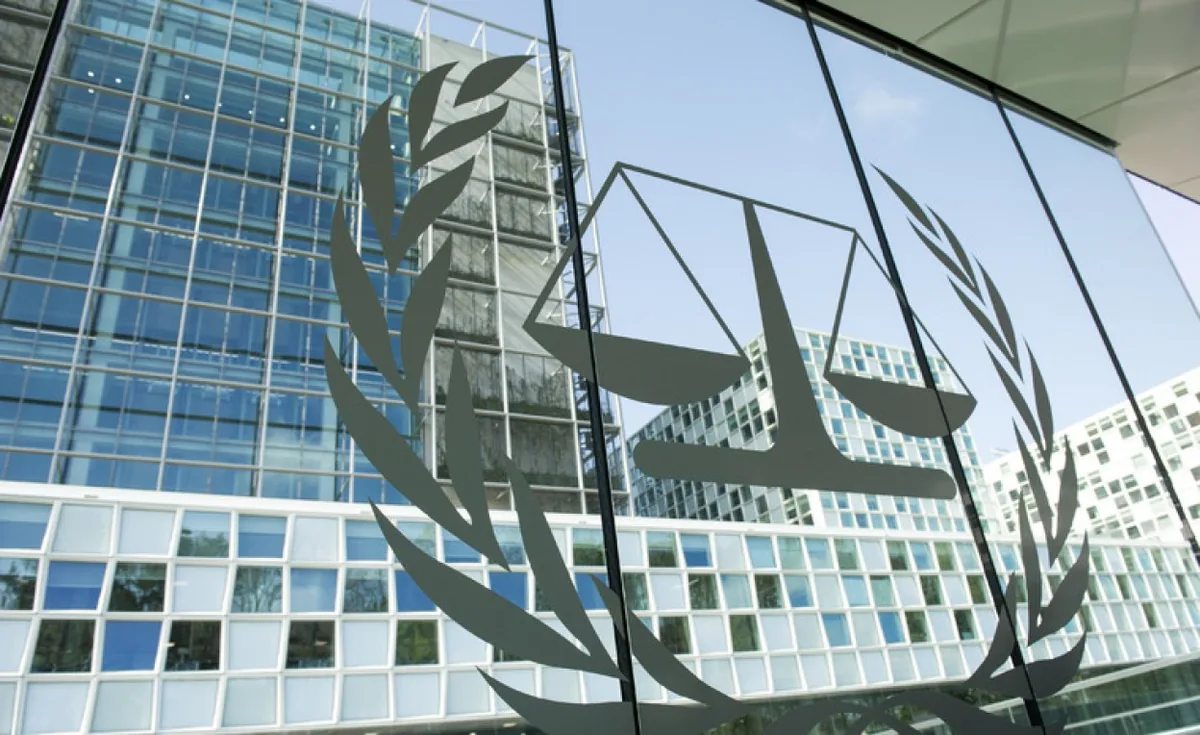
The International Criminal Court (ICC) has found former Seleka rebel commander Mahamat Said Abdel Kani guilty of crimes against humanity linked to the torture and mistreatment of detainees in Bangui, the capital of the Central African Republic, more than ten years ago.
On Wednesday, judges at The Hague convicted Said on four charges, including torture and persecution. Prosecutors alleged that he was responsible for a detention facility in Bangui where people suspected of supporting then-president François Bozizé were reportedly subjected to beatings and torture.
However, the judges rejected several war crimes charges, concluding that the armed conflict had ended by the time the alleged offences took place.
The case relates to the violence that followed the 2013 takeover of power by the predominantly Muslim Seleka rebels, who overthrew President François Bozizé. Their rule subsequently contributed to the emergence of the mainly Christian anti-Balaka militias, which were formed to oppose the Seleka.
Prisoners who were detained while Said was in charge testified that they were kept in a room without windows, located beneath the floor of his office.
Witnesses also spoke of overcrowded cells whose walls bore signs of violence, including bullet marks and bloodstains. Presiding Judge Miatta Maria Samba said some detainees were subjected to severe beatings and whipping.
Said remained expressionless as the verdict was announced. The court will determine his sentence at a later date, with the possibility of life imprisonment.
Broader Fight for Justice
Marius Olivier Trésor Poussinga, a former detainee who said he was tortured at the Bangui facility, told the Associated Press that the verdict represented international acknowledgement of the crimes committed by Said.
Poussinga said the ruling had brought him a sense of relief because the court had recognised the suffering he experienced. Central African Republic Justice Minister Arnaud Djoubaye Abazène also welcomed the decision.
Abazène said the country would continue pursuing justice and that victims would not be forgotten. He stressed that accountability should be upheld at all levels.
Lewis Mudge, Central Africa director at Human Rights Watch, described the conviction as an important step in efforts to combat impunity. He also said the ruling highlighted that abuses continue in the country and urged stronger support for both international and domestic justice mechanisms.
Said is the first former Seleka member to be convicted by the ICC, which has been investigating violence in the Central African Republic since 2014. In July 2025, two senior anti-Balaka commanders were also convicted of war crimes and crimes against humanity.
The Special Criminal Court (SCC) in the Central African Republic has charged more than 30 individuals with war crimes and other human rights violations committed since 2003, with almost all of those accused currently in custody.
However, the court is at risk of shutting down following the withdrawal of US financial support by the Trump administration last year.
Amnesty International warned that the closure of the SCC would seriously undermine efforts to achieve justice in the Central African Republic. Marceau Sivieude, the organisation’s regional director for West and Central Africa, said the country’s national courts are not yet equipped to take over the SCC’s responsibilities.
Sivieude said that although the authorities had made efforts to strengthen the justice system, national courts still lacked the resources and capacity needed to perform the role currently handled by the SCC.
Those supporting the court are calling on the United Nations and the European Union to help extend its mandate and secure the financial support needed for it to continue operating.