
Burkina Faso is rewriting the history textbooks used in its schools, in a reform officials say will change how European expansion and African resistance are taught.
Secondary Education Minister Moumouni Zoungrana announced a review of history, geography and civic education materials. He said European figures long described as “explorers” or “conquerors” would instead be presented as invaders, and that more attention would be given to local resistance and national history.
Speaking in early September, the minister said some of the language used in current textbooks was inherited from the colonial period and did not reflect how Burkina Faso wanted its past to be taught. Officials say the changes are intended to place African perspectives more firmly at the centre of classroom teaching.
The government argues that, for generations, school history presented Africa largely through the arrival of Europeans. The revised curriculum, it says, will give greater weight to African societies before colonisation, resistance to foreign rule, and national values.
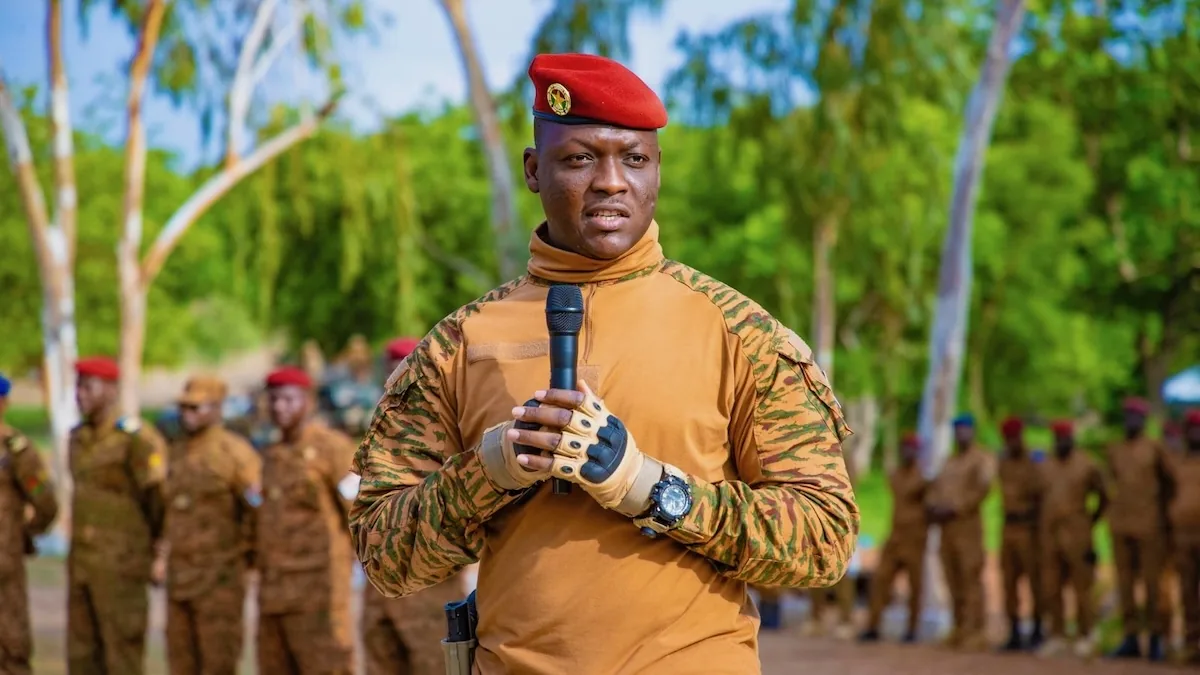
The reform comes as Burkina Faso’s military-led government seeks to reduce the influence of France, the country’s former colonial power, across public life. Similar debates over how colonial history is taught have also emerged in other parts of West Africa.
Officials describe the project as a change in how history is framed, not only a change in wording. Critics of such reforms elsewhere have warned that school curricula can become politicised. Burkina Faso’s government says the aim is to correct what it sees as a colonial bias in the historical record.
Investigations into existing teaching materials are continuing, and the new content is expected to be introduced in stages.