
Long before bedtime apps and recorded music, Ewe mothers soothed their babies with lullabies passed from one generation to the next.
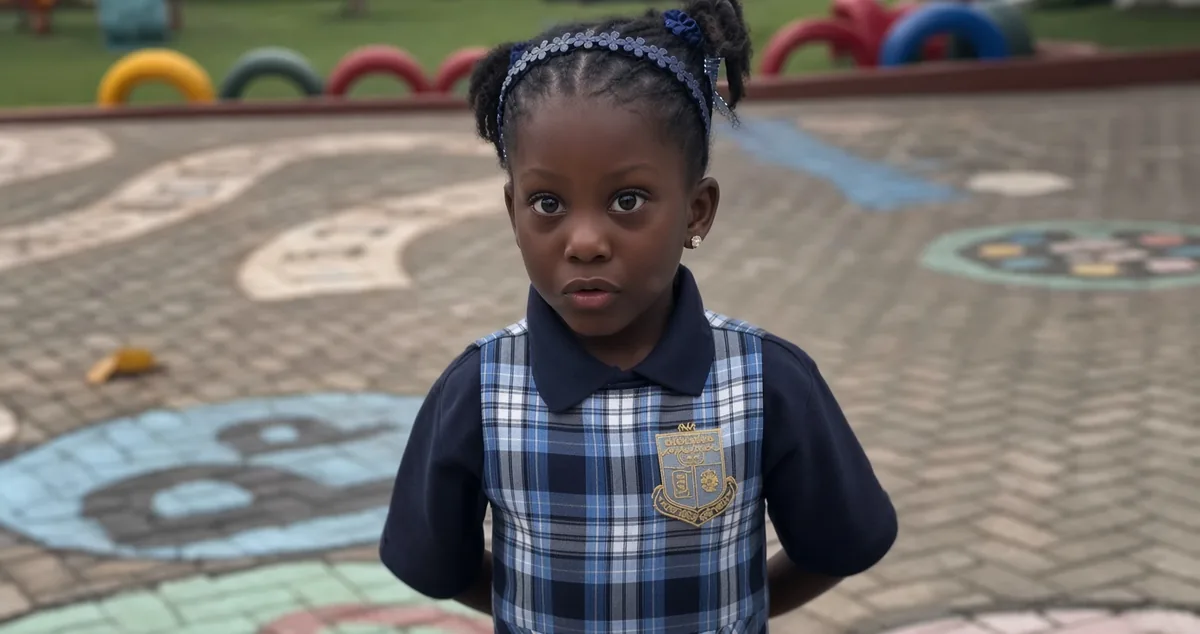
A video of young pupils in a Ghanaian school singing those same songs has now drawn fresh attention to the tradition not as a revival, but as a reminder that the practice never disappeared.
For generations, Ewe lullabies have done more than quiet a crying child. They belong to the intimate life of the home. A mother singing while bathing a baby. A grandmother rocking a child at dusk. An older sibling humming as the compound settles after work. Songs such as Tutu Gbɔvi and Toboli live in that space. One tells a child not to cry because the mother is not yet home. Another lingers on the beauty of the child and the bond between parent and infant. They are tender, but they are not empty. They speak of absence, comfort, protection and belonging.
That language is part of the inheritance. Ewe is spoken across Ghana’s Volta Region and into Togo and Benin, linking communities divided by colonial borders but joined by speech, custom and song. In the lullabies, children first hear the tones and images of that world. A baby may not yet understand every word, but the ear learns the language before the tongue can form it. Rhythm, call and response, and the sound of Ewe itself become familiar long before they appear in a textbook.
These songs also travel with daily life. They were not reserved for special occasions. They were sung while pounding, cooking, walking or putting a child down to sleep. In that sense, they were never only “children’s music.” They were a way of teaching care, of naming the child, of keeping the household’s language alive in the most ordinary hours of the day.
Schools have long drawn on the same repertoire. Folk songs help young pupils learn language, memory, rhythm and a sense of where they come from. The recent footage does not announce a new experiment. It shows an old practice continuing in a new setting: the classroom instead of the courtyard, the group instead of the lap, but the same songs still doing their work.
The young pupils in the video belong to that wider story. Their voices do not recreate a lost past. They show that culture survives when it remains in the mouths of the young — first at home, then in school, and still, as it has always been, at the edge of sleep.