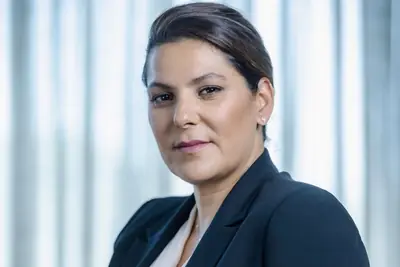
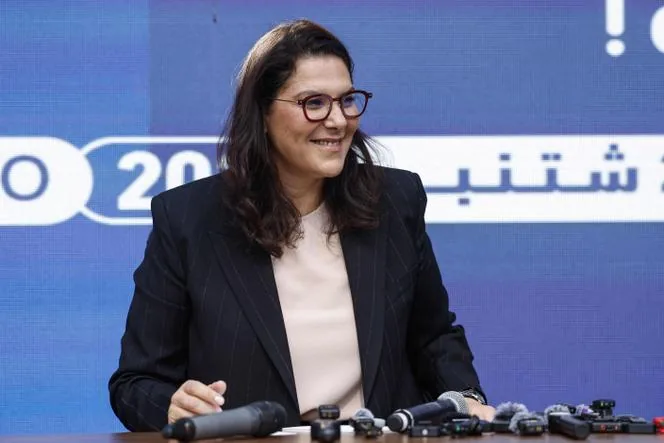
El Mansouri, a senior member of the centrist Authenticity and Modernity Party (PAM), was tasked with forming a new government following her party’s victory in the September 23 parliamentary elections. PAM won 97 of the 395 seats in the House of Representatives, the largest share of any party, although it fell short of the majority needed to govern alone.
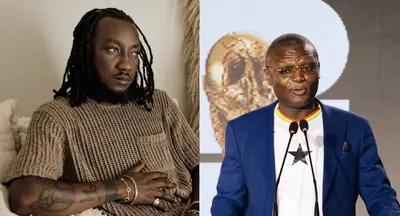
The 50-year-old lawyer brings considerable political experience to the position. She previously served as Morocco’s urban planning minister and has twice been mayor of Marrakesh. Her appointment came after a period in which she and Fouzi Lekjaa, the president of Morocco’s football federation and a senior PAM figure, had been identified as potential candidates for the premiership.
The Royal Palace announced the appointment on Tuesday, with El Mansouri subsequently describing it as “truly historic.” In a televised address, she said that, for the first time in Morocco’s history, a woman was assuming responsibility for leading the government and described the moment as a source of pride for Moroccan women.
Her appointment also comes at a particularly significant time for Morocco, as the incoming government prepares to oversee major investments connected to the country’s preparations for the 2030 FIFA World Cup. Morocco will co-host the tournament with Portugal and Spain, and Reuters reports that El Mansouri’s government will oversee the final stages of a programme estimated at about $20 billion to prepare the country for the tournament.
Morocco is a constitutional monarchy in which the king retains significant executive powers, including authority over key areas such as defence and foreign policy. Under constitutional rules introduced following the 2011 reforms, however, the king must appoint the head of government from the party that wins the largest number of seats in parliamentary elections.
El Mansouri’s appointment makes her the third woman to serve as prime minister in the Arab world, after Tunisia’s Najla Bouden and Sara Zaafarani.