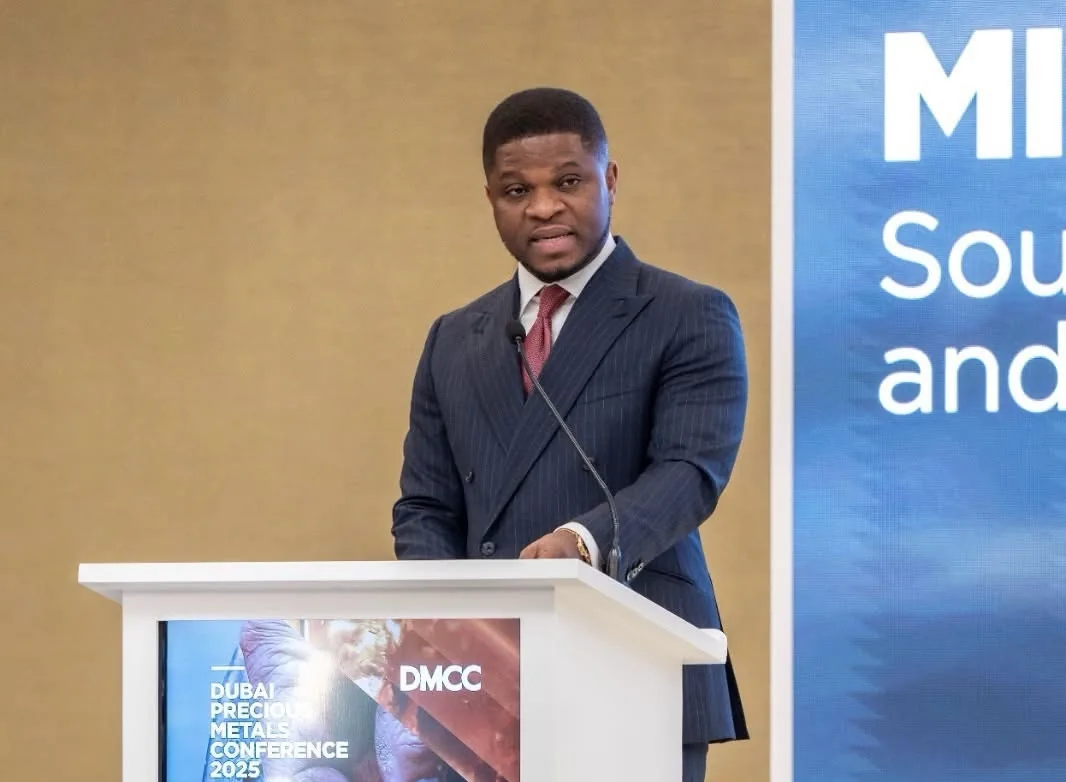
Ghana’s new way of managing its gold industry is drawing attention from other African countries. Over the past year, seven nations — Sierra Leone, Mozambique, Tanzania, Zimbabwe, Zambia, Sudan and Namibia — have held talks with the Ghana Gold Board, known as GoldBod, to learn how the system works.
They want to know how Ghana is tightening control of the gold trade and keeping more of the value from its gold at home.
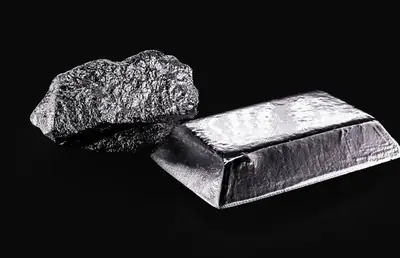
GoldBod was set up in 2025. It is the only body allowed to buy, sell, assay, value and export gold and other precious minerals in Ghana. The idea is to bring more of the gold trade into formal channels, reduce smuggling, raise foreign exchange, build gold reserves and add more value locally instead of exporting raw gold.
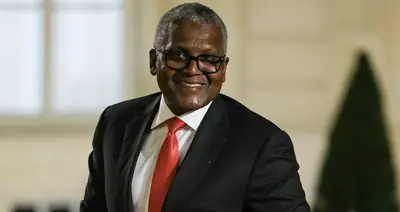
The first major visit came in September 2025, when Sierra Leone’s Finance Minister met GoldBod’s chief executive, Sammy Gyamfi. Talks focused on how to manage mineral revenues better and make the gold trade more transparent.
Mozambique sent officials in October 2025 to study gold trading and certification. Tanzania followed in January 2026 with a 15-member team from its Minerals Commission. Zimbabwe sent a team in April 2026, looking especially at how Ghana is organising small-scale mining. Zambia has studied the model as it tries to formalise its own gold sector. Sudanese officials visited in July 2026. Namibia’s mines ministry came in September 2026 for a benchmarking visit.
The countries are not all asking the same questions. Some want better revenue collection. Others want clearer licensing, stronger regulation, or more local processing. What they share is an interest in putting the state closer to the centre of the gold trade.
Ghana’s system is still new, and other countries will have to adapt it to their own conditions. Even so, GoldBod is already being treated as a practical example of how an African gold producer can try to keep more control — and more value — from its resources.